
Table of contents
Queues at the “must-sees” keep getting longer, and travellers are increasingly asking whether the most famous landmarks still deliver the most memorable days. From Marrakech’s packed medina lanes to the coastal hotspots in summer, overtourism has become a practical problem, not just a buzzword, shaping prices, crowding and even the quality of local encounters. Against that backdrop, lesser-known tours, often built around smaller groups, regional routes and slower pacing, claim to offer something the classics can’t: room to breathe, and stories that feel earned rather than staged.
Crowds, prices, and the new travel math
Is the “top attraction” still the best value? For many destinations, the answer increasingly depends on what a visitor is willing to trade: time in line, higher entry fees, and the friction that comes with being one of thousands moving through the same bottleneck. Industry data underscores the shift, because the World Tourism Organization has reported that international tourism has returned close to pre-pandemic volumes, and in several regions demand has come back faster than infrastructure. The result is visible on the ground: timed tickets, restricted access, and peak-season surcharges that make spontaneity expensive.
That changing math is also reflected in where people go. European city authorities from Venice to Barcelona have tightened regulations, and while those policies target local housing pressure and public space, they also signal that mass visitation has a management challenge attached. In North Africa, headline attractions remain magnets, yet the traveler experience can vary sharply by season and hour. A classic itinerary that stacks iconic stops back-to-back may still be culturally rich, but it can also compress a country into checklists, with long transfers and hurried photo stops replacing the unplanned conversations that often become the real keepsakes.
Lesser-known tours exploit a simple advantage: they are not competing at the same chokepoints. Smaller valleys, secondary towns, rural cooperatives, and family-run guesthouses do not absorb busloads the way major squares and flagship museums do, so groups can move with less friction, and guides can tailor pacing rather than shepherding people through crowds. That can translate into tangible savings, too, because fewer “premium” bottlenecks mean fewer last-minute tickets and fewer inflated, high-demand meals around the landmark perimeter.
None of this means the classics have stopped mattering; the question is whether the classic-heavy plan remains the most rational use of limited travel days. As budgets tighten, travellers are quietly becoming more strategic, mixing one or two headline sites with routes that distribute time and spending more evenly, and that balance is where lesser-known touring formats have found their moment.
What “authentic” really costs in time
Authenticity sells, but it also takes work. The most convincing local experiences rarely sit next to the biggest car park, and they almost never happen on a timetable that matches the convenience of mass tourism. A lesser-known tour can feel more “real” because it asks the traveller to slow down and accept small inefficiencies: a longer drive for a better view, a later lunch because the bread is coming from the oven, or an evening that runs long because someone’s cousin is invited to play music. Those details are not packaging; they are the texture of daily life, and they are difficult to stage at scale.
Time, however, is the hidden currency. If a visitor has only two days in a destination, skipping the flagship sites may produce regret, especially when the landmark carries personal meaning. Yet on longer trips, time becomes elastic, and the opportunity cost of spending three hours in a queue looks different. In that context, a tour that reroutes away from the congestion may deliver more minutes of actual engagement: walking through working farmland, stopping in a workshop where production is happening, and talking with a guide who is not racing the clock to beat the crowds at the next “essential” viewpoint.
The ethical dimension also enters the calculation. Local economies in many regions rely heavily on tourism, but spending is not always distributed evenly, and the heaviest footfall does not guarantee the broadest benefit. Smaller operators, rural accommodations, and community-based initiatives often sit outside the main circuits; when tours incorporate them responsibly, the economic footprint can spread more widely, supporting jobs that are otherwise seasonal or vulnerable to shocks. The trade-off is that visitors must accept less predictability, because rural roads, weather, and local schedules do not always cooperate with tight itineraries.
For travelers determined to keep planning overhead low, curated itineraries can bridge the gap between spontaneity and reliability, bundling logistics while leaving space for the unscripted moments people associate with “authenticity.” If you are weighing alternatives and want to compare routes and formats, you can look at here now for an overview of what a less classic, more regional approach can look like in practice, and how pacing changes when the itinerary is built around places rather than headlines.
Smaller groups change the whole day
Group size is not a detail; it is the experience. A large coach tour, even when well run, has structural limits: fixed departure times, the slow choreography of boarding and unloading, and the constant need to keep dozens of people aligned on the same plan. That format can be efficient for hitting highlights, but it often sacrifices flexibility, and it can flatten a destination into a sequence of regulated stops. By contrast, smaller groups tend to operate more like a shared field trip, where the guide can adapt based on energy levels, weather, or an unexpected invitation.
The benefits show up quickly. With fewer people, a tour can take narrower roads and make short, unplanned stops that do not make sense for a bus, and the guide can spend more time translating local context rather than crowd-control instructions. Questions become part of the day instead of an afterthought, and travellers who are not naturally outgoing often find it easier to engage. Even meals shift in tone: it is easier to eat in a family restaurant or a home-style setting when the table is six or eight, not forty.
There are also safety and comfort implications that travellers increasingly notice. Smaller formats can reduce the sense of being “processed,” and they can make it easier to accommodate dietary needs, mobility constraints, or preferences for slower walking. On the logistical side, fewer participants generally means fewer compromises on timing, which matters in hot climates where midday heat can turn a visit into endurance rather than enjoyment. If a group can start earlier, rest longer, and return later, the day becomes less about coping and more about observing.
Still, smaller is not automatically better. A tour that is intimate but poorly planned can waste time, and a guide without strong local relationships can deliver “hidden gems” that feel generic. The difference is usually in preparation: permissions, trusted addresses, seasonal knowledge, and the judgement to avoid over-promising. When those pieces line up, a lesser-known tour can rival, and sometimes surpass, the classics, not because it is more dramatic, but because it feels less mediated.
When the classics still win, hands down
Some places are famous for a reason. A landmark can carry centuries of meaning, and seeing it in person can be a once-in-a-lifetime emotional hit that no backroad detour can replicate. For first-time visitors, classics also provide orientation, because they teach the basic geography and cultural reference points that make the rest of the trip easier to understand. Skipping them entirely can leave travellers with beautiful memories but weak context, as if they read the footnotes without the main chapter.
There are practical reasons, too. In short city breaks, classic attractions are often clustered and supported by transit, signage, and predictable opening hours, which reduces planning risk. Museums and major heritage sites can also deliver a depth of information that casual, small-scale visits cannot match, with curated collections, conservation expertise, and bilingual interpretation. For families, the reliability of well-managed sites can be a relief, especially when travelling with children or older relatives who need steady pacing and clear facilities.
The most effective approach for many travellers is not a binary choice but a smart blend: one or two major sites early, then a pivot into lesser-known regions, and that sequencing matters. Start with the headline, learn the story, and then go looking for the quieter chapters where that story continues in daily life, in craft traditions, in food, and in landscapes that shaped local history. Done well, the classics become a doorway rather than a cage, and lesser-known tours become the part of the trip that feels personal.
Ultimately, the rivalry is less about which option is “better” and more about what a traveller wants to feel at the end of the day. If the goal is to say “I’ve been there,” classics deliver certainty. If the goal is to say “I understand a little more,” and to come home with encounters that cannot be replicated by anyone following the same map, lesser-known tours have a clear edge.
Book smart, travel lighter
Reserve classics early in peak months, and keep one flexible day for weather or fatigue. Set a realistic daily budget for transport and meals, then compare it with small-group touring costs, which often bundle logistics. Check whether your destination offers seasonal passes, student discounts, or local heritage reductions, and book accommodations with free cancellation if you plan to roam beyond the main circuit.
Similar
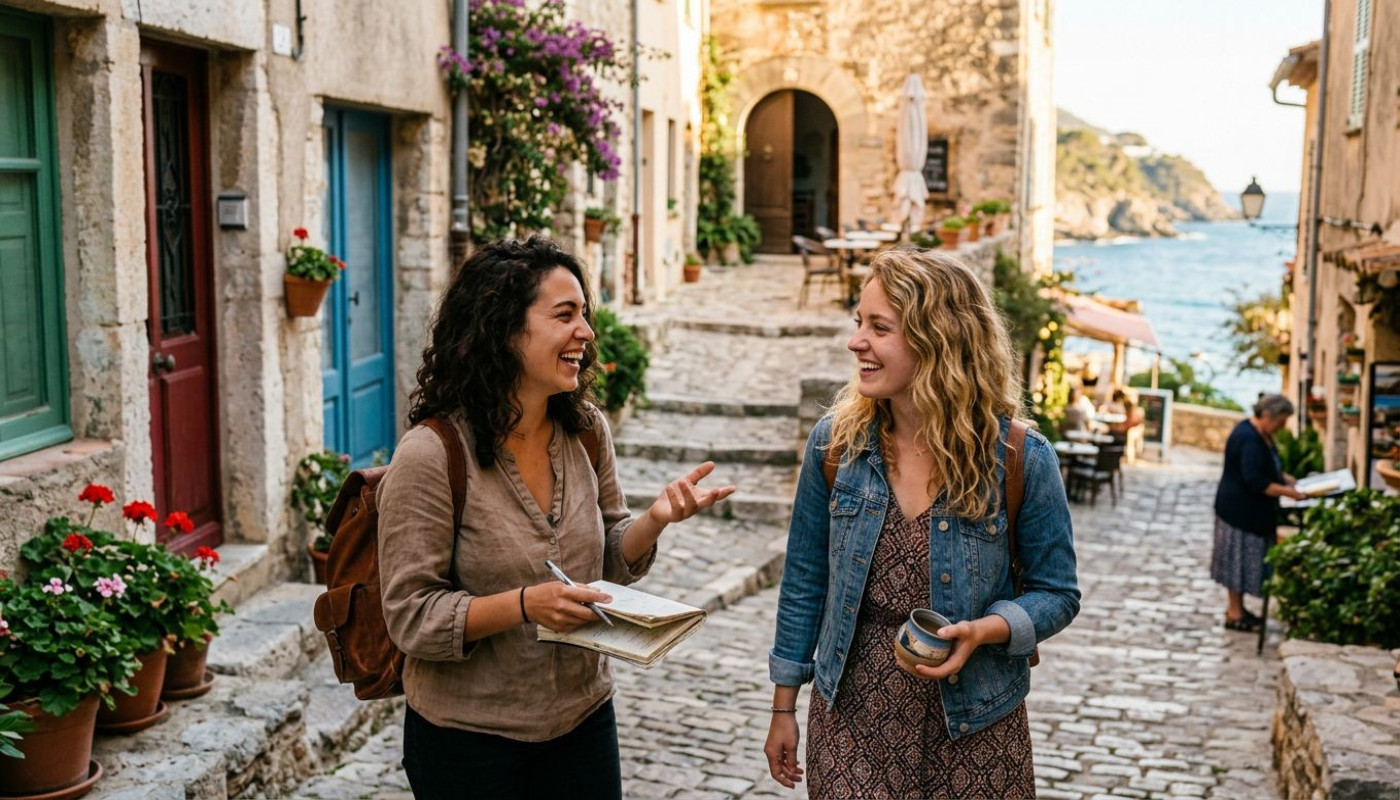
From Local Legends To Hidden Gems: Stories That Shape Unforgettable Journeys
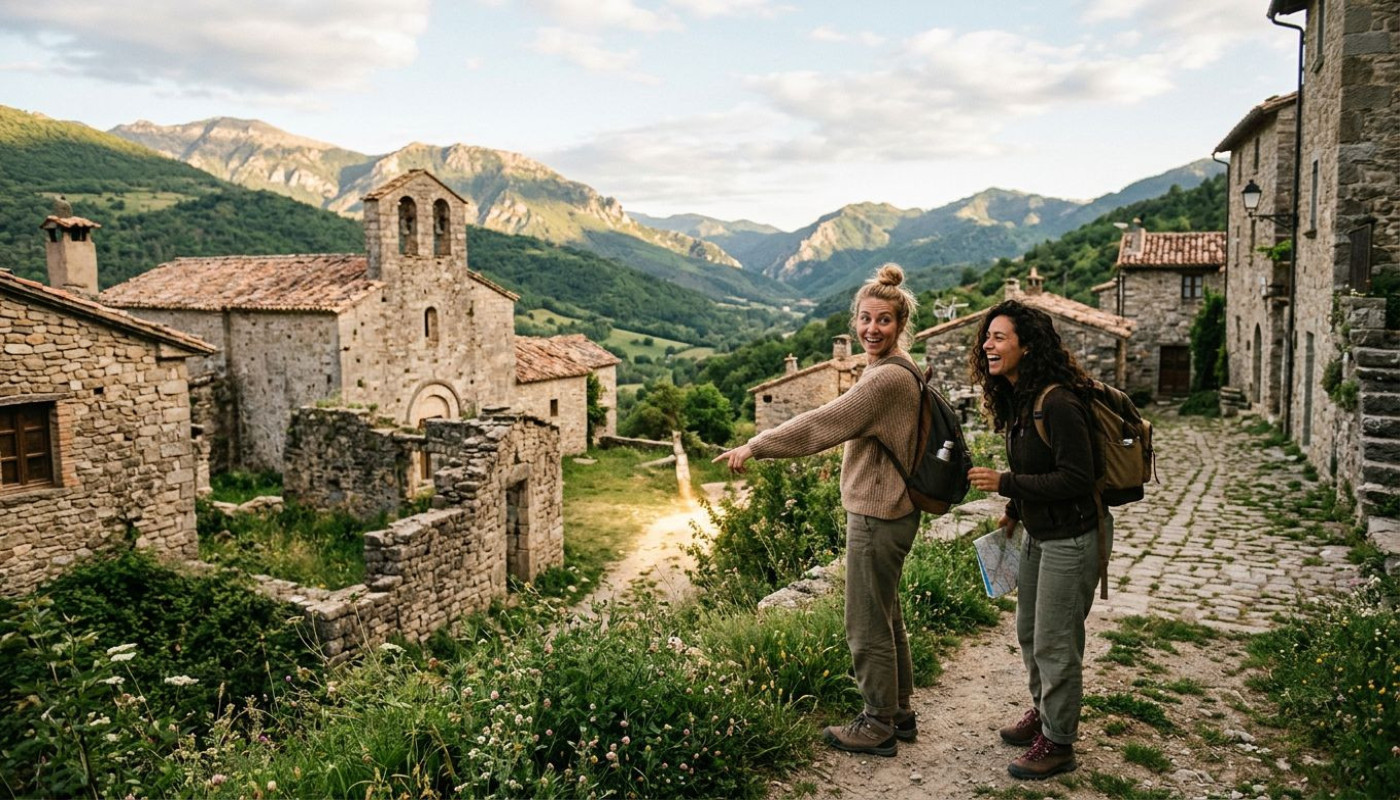
Rediscovering Hidden Gems: Why Offbeat Destinations Steal The Show
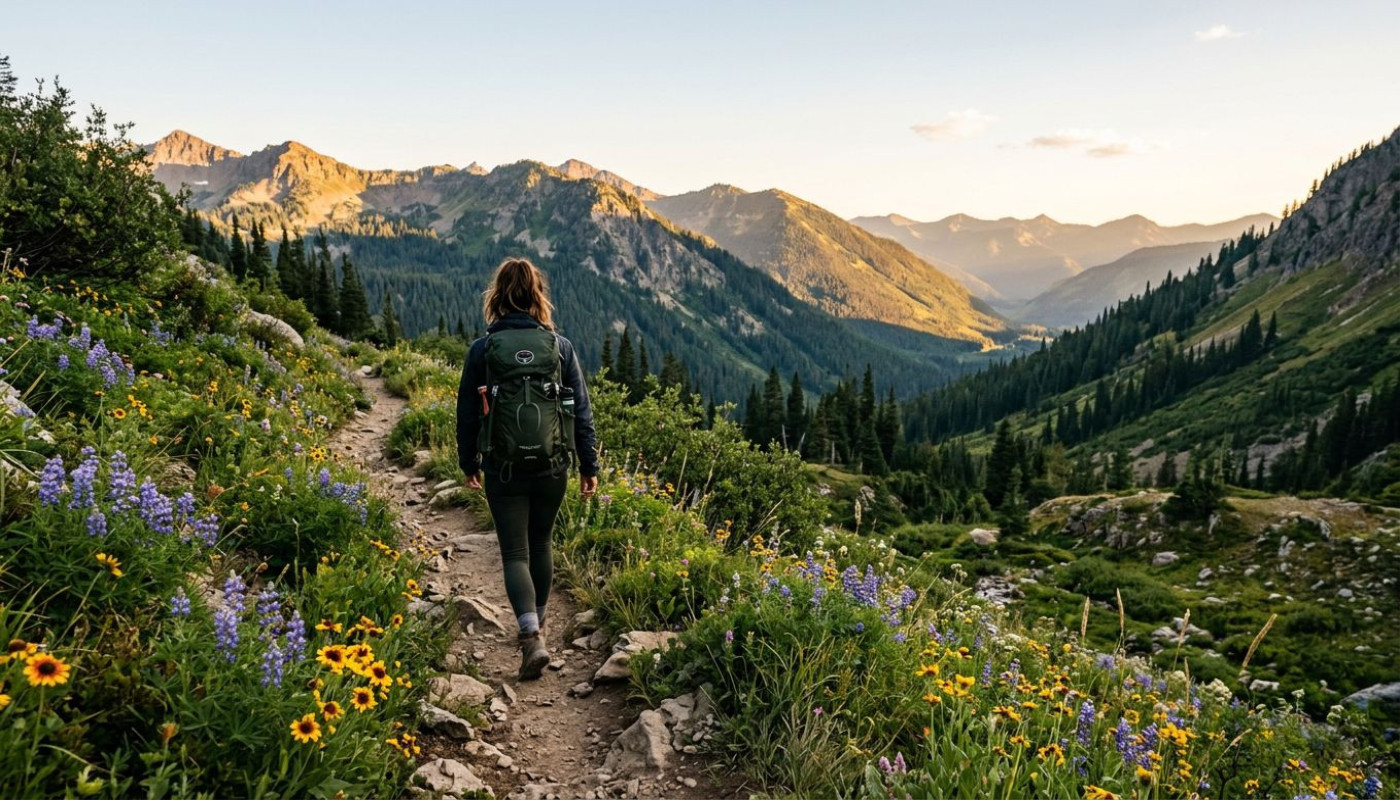
Why Chasing Lesser-known Destinations Could Redefine Your Next Travel Story