Table of contents
Why does “doing more” so often feel like living less? From overloaded calendars to weekend “productivity marathons”, the modern checklist has become a quiet tyrant, and research suggests it is not just our mood that suffers, but also our attention, our sleep, and the quality of our relationships. The counter-trend is gaining ground in workplaces and living rooms alike: fewer activities, chosen with intent, can deliver deeper enjoyment, and a stronger sense of control, without the guilt that typically follows a blank space on the agenda.
When your calendar becomes your boss
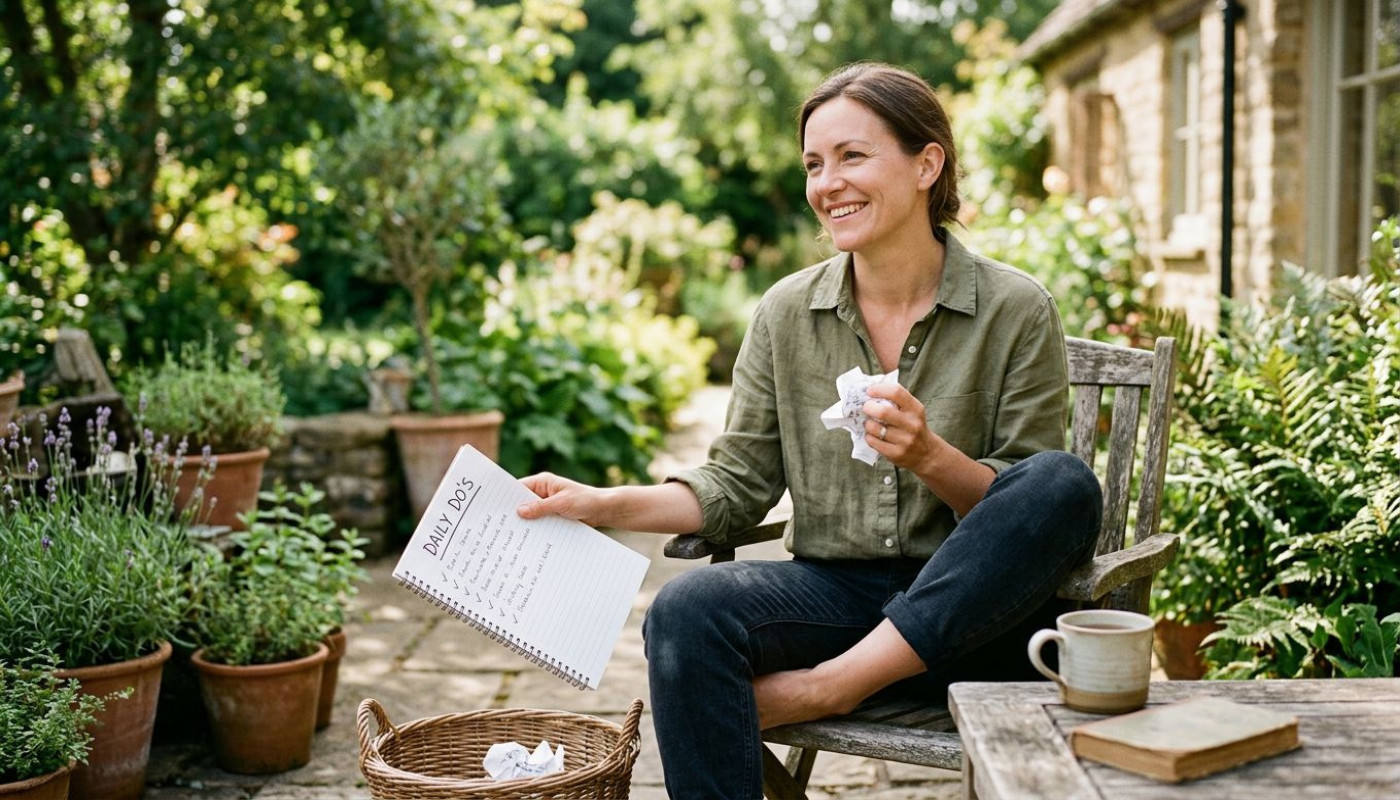
It starts innocently, with a to-do list meant to calm the mind, and it ends with the list calling the shots, dictating what “counts” as a good day, and what does not. Psychologists have long described the relief that planning can bring, because writing tasks down offloads them from working memory, yet the same mechanism can turn into pressure when every empty slot is treated like a problem to fix. The American Psychological Association has repeatedly linked chronic stress to both emotional symptoms and physical ones, and while the causes are complex, time pressure and the feeling of being “always on” remain common drivers in survey-based reporting.
There is also a quieter cost: attention fragmentation. Studies on task switching show that shifting between tasks carries a performance penalty, and while the exact impact varies by context, the broader point is hard to dispute in daily life: constant toggling makes experiences shallower. Add the smartphone layer, and the day turns into a sequence of interruptions; the checklist may be completed, but the person completing it often feels oddly absent from their own life. Even leisure can become work when it is scheduled like a sprint, with dinner, gym, messages, and “one more errand” stacked back-to-back, as if rest must be earned through busyness.
One of the strongest predictors of whether a plan helps or harms is autonomy, the sense that you chose it. Self-Determination Theory, widely used in psychology research, places autonomy at the center of motivation and wellbeing; a packed agenda can still feel energising when it is self-directed, and it can feel suffocating when it is imposed by expectations, workplace culture, or social comparison. That is why two people can share the same schedule, and only one feels trapped. The checklist is not inherently the villain, but it becomes one when it replaces priorities with mere volume, and when the metric shifts from “Did I live well?” to “Did I tick enough boxes?”
The hidden math of “just one more”
Here is the uncomfortable truth: the calendar rarely reflects the real cost of an activity. We budget time for the event itself, then forget the invisible add-ons, preparation, transit, decision fatigue, recovery, and the mental clutter of anticipating what comes next. Economists would call this an underestimation of total cost; in everyday terms, it is why a “quick” commitment can hijack an entire day. The result is a schedule that looks plausible on paper, yet collapses in the real world, forcing rushed meals, late nights, and the nagging feeling of falling behind.
Health data adds weight to the argument for doing less. The Centers for Disease Control and Prevention has long reported that a substantial share of adults do not get the recommended amount of sleep, and sleep deprivation is associated with poorer mood, weaker concentration, and elevated risk for a range of health problems. Over-scheduling is not the sole cause, but it is a reliable accelerant, especially when evenings become catch-up time for tasks that did not fit during the day. The body keeps score; a lifestyle built around squeezing in “one more thing” tends to borrow from sleep, exercise quality, and genuine downtime, and those debts collect interest.
There is also the social cost, which is harder to quantify but easy to recognise. Relationships thrive on unstructured time, the space to talk without an agenda, and to be together without producing outcomes. When every interaction is squeezed between obligations, people become transactional, and conversations turn into logistical updates. The irony is sharp: many activities are added in the name of “making the most of life”, yet the lived experience becomes thinner. Doing less is not about laziness; it is about honest accounting, and about protecting the scarce resource that makes any activity enjoyable in the first place: attention.
Choosing fewer, and getting more back
So what does a “fewer activities” life actually look like, without drifting into vague self-help slogans? It starts with a practical shift in how decisions are made: move from a long list to a short set of priorities, and treat everything else as optional rather than default. In workplace settings, this can be as concrete as limiting the number of meetings per day, or setting “focus blocks” that are protected from last-minute scheduling. In personal life, it can mean choosing one anchor activity for the weekend, and letting the rest be flexible, instead of stacking commitments until the days feel like compressed weekdays.
The second move is to redesign leisure so it is not another performance arena. Researchers studying happiness often distinguish between passive recovery and active engagement, and while both matter, the common mistake is to eliminate recovery entirely. A walk without tracking steps, a meal without multitasking, an afternoon without a “useful” outcome, these moments look unproductive, yet they often restore the ability to enjoy everything else. This is also where “micro-boundaries” matter: leaving the phone in another room for an hour, refusing to answer messages while eating, or setting a firm end time for errands. Small rules can create large pockets of calm, and they are easier to maintain than grand lifestyle overhauls.
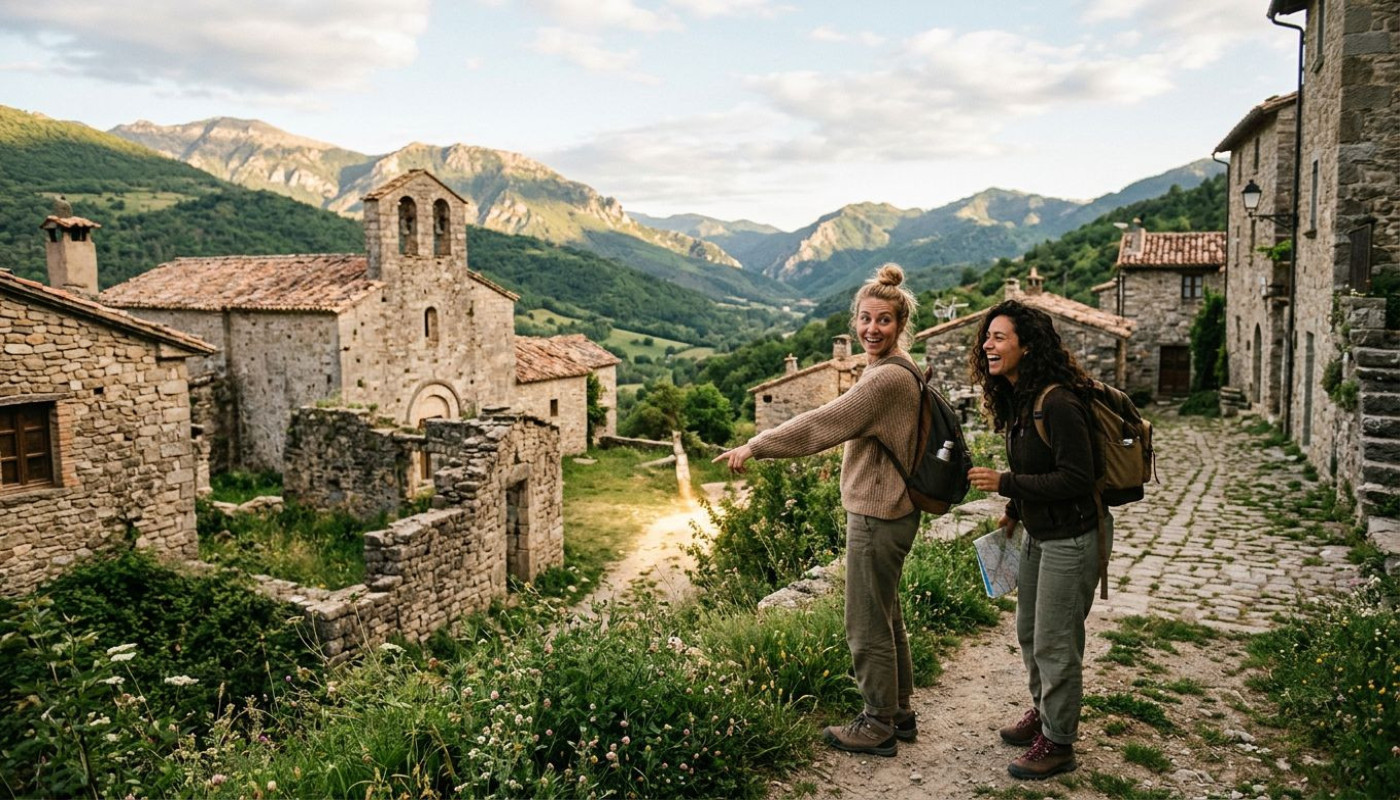
Finally, fewer activities does not mean fewer experiences; it often means better ones. Travel is a clear example, because itineraries are notorious for turning cities into checklists. A tightly scheduled trip can produce dozens of photos and very few memories with texture, while a slower trip can surface the details that make a place real: the rhythm of neighbourhoods, the time of day when a plaza comes alive, the quiet café you return to twice because it feels right. If you are weighing that kind of slower, experience-led approach, planning can still help, as long as it serves discovery rather than control; practical guides can support that balance, and resources like https://www.mexicocity-trip.com are typically used by travellers who want structure without turning the trip into a race.
The new status symbol: empty space
For years, busyness acted like a badge, a shorthand for importance, and in many professional circles it still does. Yet the cultural tide is shifting, pushed by burnout conversations, remote work experimentation, and a growing awareness that constant acceleration is not sustainable. Some organisations now measure productivity less by hours and more by outcomes, and in personal circles, people increasingly treat time as a luxury to protect. The emerging status symbol is not the packed calendar; it is the ability to say no, and to mean it, without apology and without an elaborate explanation.
That shift can be uncomfortable because it exposes the emotional reasons people cling to full schedules. Sometimes the checklist is a defence against uncertainty, because doing is easier than feeling. Sometimes it is social страх, the fear of missing out, or the worry that rest will be judged. Sometimes it is identity: if you have always been “the busy one”, slowing down can feel like losing a role. The point is not to moralise, but to recognise that over-activity is often rational in the short term, it reduces anxiety by creating motion, even if it increases stress in the long term by draining resources.
Making fewer plans is therefore not merely a time-management tactic; it is a values decision, and it works best when paired with clear language. Instead of “I can’t”, which implies a lack, try “I’m not available”, which implies choice. Instead of apologising for declining, offer a simple alternative, or none at all. Protecting space requires consistency, because a boundary tested once tends to be tested again. And when the empty space arrives, the final skill is to inhabit it, to resist filling it with low-quality scrolling or frantic tidying, and to let the mind settle enough to remember what enjoyment feels like.
Practical ways to start this week
If you want to test the “do fewer, enjoy more” idea without rebuilding your entire life, start with a small experiment: pick one day, then cap it at three priorities, not ten. Write them down, and when they are done, stop, even if you could do more. The discomfort you feel is data; it reveals how deeply the checklist has been tied to self-worth. Next, audit your week for “invisible costs”, the half-hours lost to switching, commuting, and recovering from rushed transitions, then add buffers on purpose. A schedule that includes margin is not sloppy; it is realistic.
For weekends, try a single anchor plan, one thing you genuinely want, then leave the rest open; the goal is not emptiness for its own sake, but room for spontaneity, for longer conversations, and for the kind of rest that makes Monday less punishing. If travel is on the horizon, build itineraries with slack, choose fewer neighbourhoods, and plan around time of day rather than only attractions, because the lived atmosphere often matters more than ticking landmarks. Budget-wise, doing less can also cost less, since fewer bookings and fewer add-ons reduce pressure; when reservations are needed, make them early, and treat everything else as optional.
A quieter life, booked on purpose
Start with one deliberate no, then protect the time you win back. If you are planning a trip, set a clear budget, book only the essentials, and leave space for discovery, because the best memories rarely arrive on schedule. Look for local discounts and public options, and keep your itinerary light enough to actually enjoy what you chose.
Similar

Can Comparison Tools Truly Uncover Hidden Attractions?

The Best Tourist Sites in Thailand