Table of contents
Not every journey is built around famous skylines and must-see checklists, and in 2026, as airlines restore capacity and cities tighten rules on overcrowding, more travelers are chasing something harder to pin down: stories. The kind you hear in a market queue, or read on a weathered plaque, or stumble into when a wrong turn becomes the right one. From local legends to quiet, under-mapped neighborhoods, narrative travel is reshaping how people plan, spend, and remember.
When a story becomes the itinerary
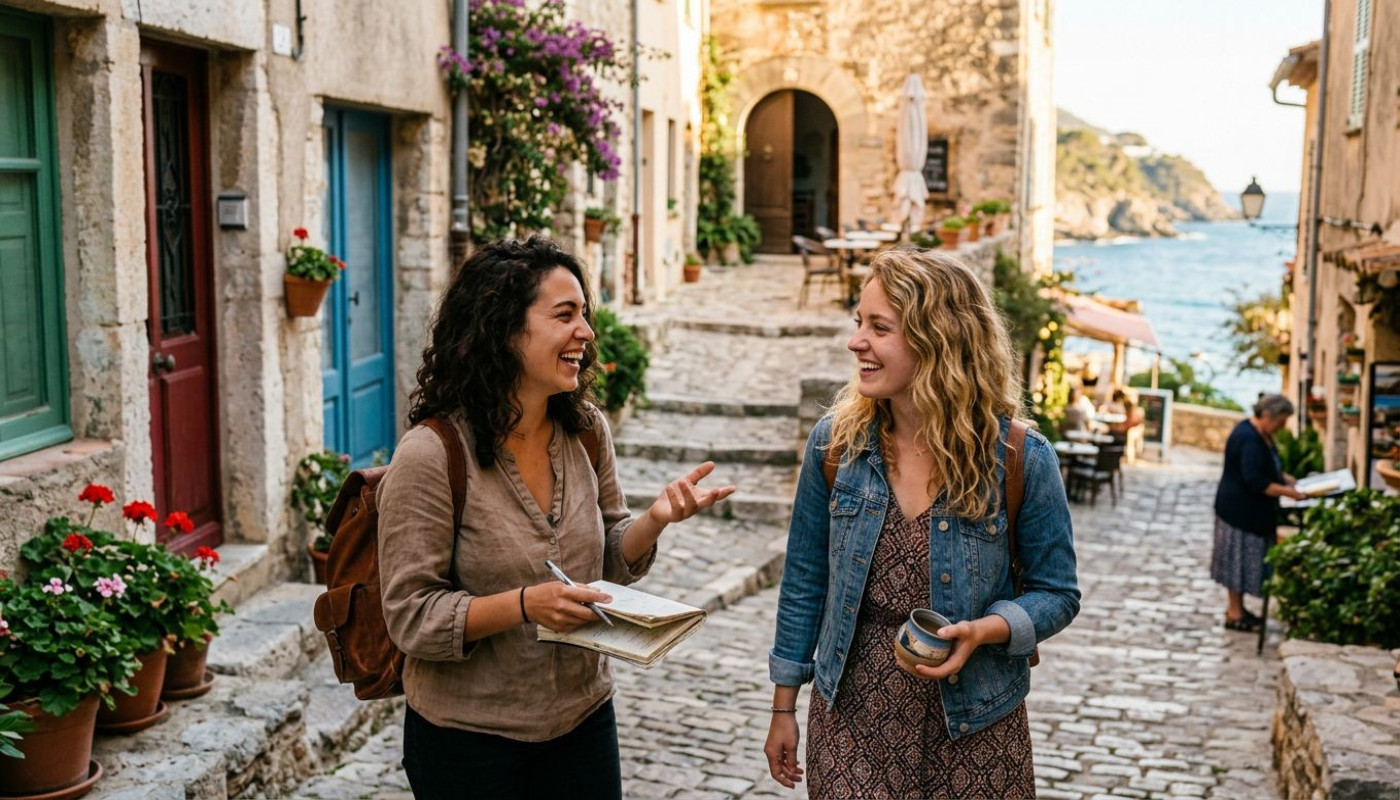
Here is the shift: travelers are increasingly choosing places because of meaning, not merely because of visibility. In survey work around post-pandemic travel behavior, “authentic experiences” and “culture” routinely rank among the strongest motivations for international trips, and that demand is now filtering into how destinations sell themselves and how visitors structure their days. The result is an itinerary that looks less like a march between landmarks, and more like a chain of small, story-rich moments: a community festival, a family-run café with a century-old recipe, a neighborhood shaped by migration, and a lookout point that locals talk about as if it were a character in the city.
This narrative turn has tangible economic effects. Cultural and heritage tourism is one of the most valuable segments in many cities because it tends to stretch time and spending: a traveler who books a guided walk, pays museum admission, buys local crafts, and stays for a performance often contributes more, per day, than a visitor who comes only for photos. It also spreads demand beyond the most pressured sites, which matters as destinations experiment with crowd controls, timed entry systems, and visitor caps. Story-driven itineraries naturally diversify routes; they pull people into secondary streets, small venues, and off-peak hours, and they reward curiosity over speed.
Yet there is a risk embedded in this trend: when stories become marketing assets, they can be flattened, sanitized, or overpromised. A legend told by a grandparent at a kitchen table does not survive unchanged when it is printed on a souvenir mug. The better versions of narrative travel are the ones that admit complexity, credit communities, and make room for context: who is telling the story, what is documented, what is contested, and what has been lost. For travelers, that means building itineraries with a journalist’s instinct, cross-checking sources, asking questions, and letting the place speak in more than one voice.
Local legends, and the facts beneath
Listen closely: legends often carry data. A ghost story may encode an older fear about fire, poverty, or a dangerous stretch of river; a tale about a saint or a sailor may reflect migration patterns and labor history; even a playful rumor about a hidden tunnel can point you toward real infrastructure, old fortifications, or wartime decisions. That is why good guides, curators, and local historians insist on separating what is verifiable from what is symbolic, and then showing how both shape identity.
Consider how cities document themselves. Archives, libraries, and museums collect primary sources, but so do municipal planning departments and mapping agencies, and their records can be surprisingly revealing for travelers who want more than anecdote. Old zoning maps explain why a district looks the way it does; shipping logs and port records illuminate why certain cuisines took root; census snapshots reveal demographic change block by block. When a local legend claims, for example, that a neighborhood “used to be all warehouses,” land-use data and historical photographs can confirm the scale of industrial activity, the timing of redevelopment, and who benefited from it. The legend becomes a doorway, and the facts give it weight.
The most responsible storytelling, though, also keeps an eye on who gets erased. Many legends in colonized or rapidly redeveloped places have competing versions: Indigenous accounts, settler accounts, and later immigrant accounts that overlap but do not agree. Treating one version as the definitive “tourist story” can replicate old power imbalances. A better approach is plural: acknowledge the tension, quote sources, and, where possible, support businesses and cultural institutions that are rooted in the communities whose stories are being told. Travelers do not need to become academics, but they can choose tours that cite scholarship, museums that foreground provenance, and experiences that prioritize community consent.
Hidden gems thrive on timing, not secrecy
Stop hunting “secret spots.” Most of the places that feel undiscovered are not hidden at all; they are simply visited at the right moment, with the right expectations. A small gallery is not a “gem” because nobody knows it, it is a gem because the curator can talk to you for ten minutes when the room is quiet. A neighborhood bakery is not magical because it is untagged on social media, it is magical because you arrive when the oven doors open, and the line includes people who have been coming for years.
Timing is also a matter of infrastructure and policy, and in 2026 many destinations are actively steering visitors toward less crowded patterns. Timed ticketing, pedestrianization, and public transport upgrades can reshape what is easy and what is pleasant, and that changes which places feel like discoveries. Travelers who pay attention to local calendars, transit schedules, and weather data often “find” the best version of a well-known place, while those chasing secrecy end up disappointed. A windy day clears a viewpoint; a weekday morning gives you a museum without the school groups; a seasonal ferry opens a coastal walk that is impossible in winter. None of this is mysterious, but it is the difference between consuming a place and meeting it.
There is also an ethical advantage to abandoning the secrecy mindset. When people hoard “hidden gems,” they often end up concentrating pressure on fragile micro-locations, the single alley, the one overlook, the café with six tables, and they do it without the social contract that comes with established visitor routes. Choosing experiences that can absorb visitors, and spreading your spending across multiple venues, is not only more sustainable; it is more fun. You stay longer, you talk more, and you notice details, the smell of a workshop, the rhythm of a market, the language mix on a bus line, and suddenly the “gem” is not a point on a map but an hour of immersion.
How to travel with a reporter’s curiosity
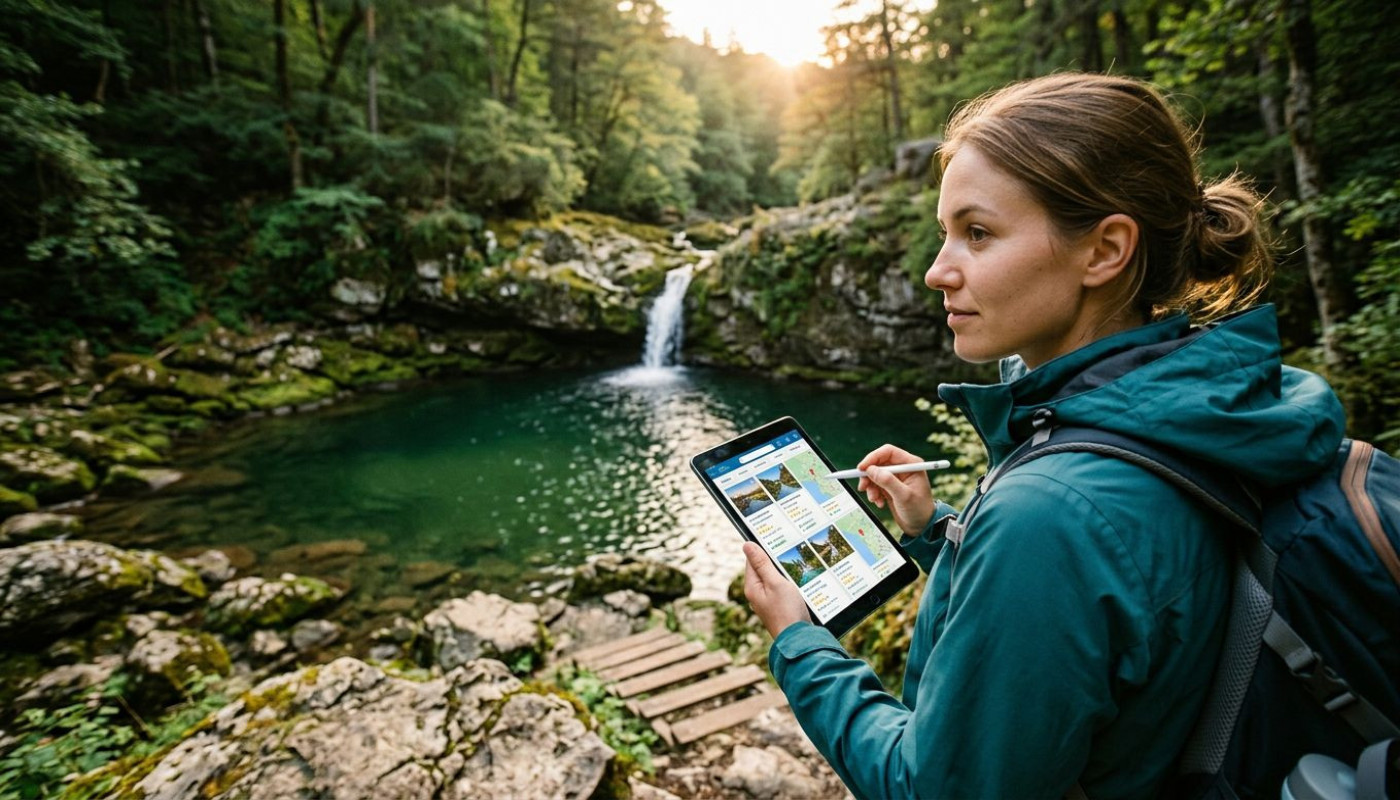
Ask better questions, get better trips. A reporter’s curiosity is not about suspicion, it is about method: Who benefits? What changed? What does the data say? What do locals argue about? Start with sources that are built for context, not only for inspiration: city museums, public libraries, university-led heritage projects, and community organizations that publish walking maps or oral histories. Then triangulate with the lived layer: the shopkeeper who remembers the street before the renovations, the bus driver who knows which stop has the best view, the bartender who can tell you why one sports rivalry matters more than another.
Planning can still be practical and efficient. Build a “spine” of fixed points, transport hubs, one or two ticketed attractions that require scheduling, and then leave open blocks designed for roaming, because stories rarely respect your calendar. Use walking distances, elevation, and transit frequency as hard constraints, and treat everything else as flexible. If you are heading to a city where nature and neighborhoods sit close together, it helps to group days by geography rather than theme: coast on one day, central streets on another, western hikes on a third, and you will spend less time commuting and more time listening.
For travelers who want a structured way to translate stories into routes, local planning resources can make a difference, especially when they combine maps, transport tips, and neighborhood-level guidance. One example is https://www.auckland-trip.com/, which can help turn big ideas, waterfront history, volcanic landscapes, and multi-ethnic food scenes, into a plan you can actually execute on the ground. The key is not to follow any guide blindly, but to use it as scaffolding, then let the city’s own voices fill in the rest.
Before you book: budget, access, and smart choices
Want the trip to last? Reserve key attractions early, then protect your budget with a daily cap for transport and meals, and keep room for one paid experience that funds local expertise. Check city passes and off-peak deals; look up accessibility details and public-transport payment options before you land, because small frictions add up fast.
Similar

Rediscovering Hidden Gems: Why Offbeat Destinations Steal The Show

Why Chasing Lesser-known Destinations Could Redefine Your Next Travel Story
Can Lesser-known Tours Rival Classic Attractions For Authentic Experiences?